English
Single Sided vs Double Sided Cantilever Rack: Pros, Cons & When to Use Each
Read More

Search
How durable are metal pallets compared to other materials?
Metal pallets are renowned for their exceptional durability and strength, outperforming other pallet materials in many aspects. Unlike wooden pallets that can warp, crack, or break under heavy loads, metal pallets maintain their structural integrity even when subjected to extreme weight or pressure.
Metal pallets are constructed using robust materials such as steel or aluminum, which provide exceptional strength and resilience. They can handle heavier loads and have a higher weight capacity compared to wooden or plastic pallets. This durability makes metal pallets well-suited for industries that deal with heavy or bulky items, such as manufacturing, automotive, or construction.
Furthermore, metal pallets are resistant to wear and tear, making them suitable for long-term use. They are not susceptible to moisture, rotting, or insect infestations, which are common issues with wooden pallets. Metal pallets are also more resistant to temperature fluctuations and can withstand harsh environmental conditions, making them suitable for both indoor and outdoor applications.
In terms of lifespan, metal pallets typically outlast other pallet materials. They require minimal maintenance and do not require repairs or replacements as frequently as wooden or plastic pallets. This not only reduces costs but also improves operational efficiency by minimizing downtime associated with pallet maintenance or replacement.
Overall, the durability of metal pallets is unmatched compared to other pallet materials, making them a reliable choice for industries that require robust and long-lasting storage solutions.
Can metal pallets be used in industries with strict hygiene requirements, such as food or pharmaceuticals?
Yes, warehouse steel rack can be effectively used in industries with strict hygiene requirements, including food and pharmaceuticals. Metal pallets offer several advantages that make them suitable for these industries.
Firstly, metal pallets are non-porous and easy to clean and sanitize. Unlike wooden pallets that can harbor bacteria or contaminants in their porous surfaces, metal pallets can be thoroughly cleaned and sterilized, ensuring a hygienic storage environment for sensitive products.
Secondly, metal pallets are resistant to pests, mold, and mildew, further reducing the risk of contamination. They do not absorb liquids, preventing the growth of bacteria or the spread of foodborne illnesses.
Moreover, metal pallets are highly durable and can withstand harsh cleaning agents, steam cleaning, or high-pressure washing, which are common cleaning practices in industries with strict hygiene requirements. This durability ensures that metal pallets maintain their structural integrity even after repeated cleaning cycles.
In addition, metal pallets comply with regulatory standards and industry guidelines for hygiene and safety. They are designed to meet specific requirements for cleanliness, including smooth surfaces, rounded corners, and minimal crevices where contaminants could accumulate.
Overall, metal pallets are a suitable choice for industries with strict hygiene requirements, such as food or pharmaceuticals. Their non-porous surfaces, resistance to pests and contaminants, ease of cleaning, and compliance with hygiene regulations make them an ideal storage solution for sensitive products.
What weight capacity can metal pallets support?
Metal pallets are known for their exceptional strength and weight capacity. The exact weight capacity of a metal pallet can vary depending on factors such as the design, construction, and material used. However, metal pallets generally have a higher weight capacity compared to pallets made from other materials.
Steel and aluminum are the most commonly used materials for manufacturing metal pallets, and both offer excellent strength properties. Steel pallets are known for their high load-bearing capacity and can typically support heavy loads ranging from 2,000 to 5,000 pounds or more, depending on the specific design and configuration. Aluminum pallets, while lighter in weight compared to steel, still offer substantial weight capacity, typically ranging from 1,000 to 3,000 pounds.
It's important to note that the weight capacity of a metal pallet can also depend on factors such as the distribution of the load, the manner in which it is supported (e.g., four-way entry), and the spacing between the support beams. Manufacturers often provide load capacity specifications for their metal pallets, indicating the maximum weight the pallet can safely handle.
When determining the appropriate weight capacity for metal pallets, it is crucial to consider the specific requirements of your industry or application. Factors such as the average load weight, the frequency of stacking or racking, and the distribution of weight across the pallet should be taken into account. It's recommended to consult with the manufacturer or a pallet specialist to ensure that the chosen metal pallets meet your weight capacity needs and comply with safety regulations.
Are metal pallets stackable, and how high can they be stacked?
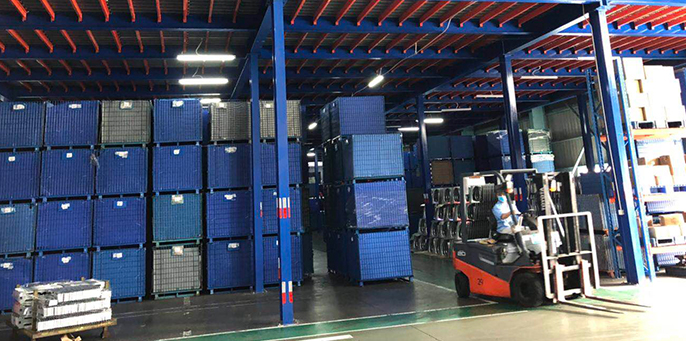
Yes, metal pallets are stackable and designed to facilitate efficient vertical storage. Metal pallets offer excellent stability and are engineered to be safely stacked on top of each other, optimizing warehouse space and maximizing storage capacity.
The stackability of metal pallets is influenced by several factors, including the design of the pallet itself and the compatibility with other pallets or stacking systems. Metal pallets typically feature a four-way entry design, allowing forklifts or pallet jacks to access the pallets from all four sides. This enhances their stackability as they can be easily lifted and positioned.
The maximum stack height for metal pallets depends on various factors, including the weight and dimensions of the pallets, the load distribution, and the storage environment. Manufacturers generally provide guidelines or specifications regarding the maximum recommended stack height for their specific metal pallet models. It is important to adhere to these guidelines to ensure safe stacking practices.
Additionally, it is essential to consider the stability and safety of the stacked pallets. Adequate support, such as pallet rack systems or other stacking equipment, should be used to prevent accidents or instability. Ensuring that the stacked pallets are evenly distributed and secured is crucial for maintaining stability and preventing potential collapses.
Overall, metal pallets are designed to be stackable, and their stackability can help optimize storage space. However, it is essential to follow the manufacturer's guidelines and industry best practices to ensure safe and efficient stacking of metal pallets.
Are metal pallets compatible with various material handling equipment, such as forklifts or pallet jacks?
Yes, metal pallets are compatible with various types of material handling equipment, including forklifts, pallet jacks, and other commonly used industrial machinery.
Metal pallets are designed with standard dimensions that adhere to industry standards, ensuring compatibility with material handling equipment. They typically feature a four-way entry design, allowing forklifts and pallet jacks to easily lift and maneuver the pallets from all four sides.
Forklifts are commonly used to transport and stack metal pallets in warehouse and industrial settings. The forks of the forklift can be inserted into the pallet's openings, and the pallet can be lifted and transported to the desired location. Metal pallets can be efficiently loaded and unloaded from trucks or containers using forklifts, allowing for smooth material handling operations.
Pallet jacks, also known as pallet trucks or pump trucks, are another type of material handling equipment compatible with metal pallets. Pallet jacks are manually operated and are commonly used in smaller warehouses or areas where forklifts may not have access. They can easily slide under the metal pallet and lift it off the ground, allowing for easy movement within a confined space.
The compatibility of metal pallets with material handling equipment is a significant advantage in terms of efficiency and productivity. It enables seamless integration into existing warehouse operations and ensures smooth and safe handling of goods.
Can metal pallets be customized to meet specific size or load capacity requirements?
Yes, metal pallets can be customized to meet specific size or load capacity requirements. One of the key advantages of metal pallets is their ability to be tailored to the specific needs of an industry or application.
When it comes to size customization, metal pallets can be manufactured in various dimensions to accommodate the specific requirements of the storage or transportation environment. Different lengths, widths, and heights can be chosen based on the dimensions of the products to be stored or the space available in the facility. Custom-sized metal pallets ensure optimal utilization of space and maximize storage efficiency.
Load capacity customization is another important aspect of metal pallets. Manufacturers can engineer metal pallets to support specific weight capacities based on the industry or application requirements. By adjusting the thickness and configuration of the metal beams, reinforcement bars, or support structures, the load capacity of the pallets can be enhanced to meet heavier weight requirements. Custom load capacity ensures that the pallets can safely support and transport the desired loads without compromising their structural integrity.
Additionally, metal pallets can be customized with additional features or accessories to enhance functionality. This may include removable or adjustable beams, inserts or dividers to create compartments, or specialized coatings to enhance corrosion resistance or improve grip.
It's important to communicate your specific customization needs to the manufacturer or supplier to ensure that the metal pallets are designed and engineered accordingly. Customized metal pallets offer flexibility and tailored solutions to meet the unique requirements of different industries and applications.
What maintenance is required for metal pallets to ensure their longevity?
Metal pallets require minimal maintenance to ensure their longevity and optimal performance. Compared to other pallet materials such as wood, metal pallets are relatively low maintenance, making them an attractive choice for many industries.
To keep metal pallets in good condition, regular inspection is recommended to identify any signs of damage or wear. Inspecting the pallets for cracks, bends, or corrosion can help identify potential issues early on. Any damaged or compromised pallets should be repaired or replaced promptly to ensure safety and prevent further damage.
Cleaning metal pallets is also important to maintain their cleanliness and prevent the buildup of contaminants. Metal pallets can be cleaned using water, mild detergent, or specialized cleaning agents suitable for metal surfaces. High-pressure washing or steam cleaning can also be used to remove stubborn dirt or debris. After cleaning, it is essential to dry the pallets thoroughly to prevent moisture accumulation and potential corrosion.
Furthermore, protecting metal pallets from harsh environmental conditions can contribute to their longevity. Applying a protective coating, such as galvanization or powder coating, can help prevent corrosion and extend the lifespan of the pallets. Regular inspections should be conducted to ensure the integrity of the protective coating and address any areas where it may have been compromised.
Finally, proper storage and handling of metal pallets can also contribute to their longevity. Storing them in a dry and well-ventilated area, away from excessive heat or moisture, can help prevent corrosion. When handling metal pallets, it's important to use proper lifting techniques and avoid excessive force or impact that could lead to structural damage.
By implementing these maintenance practices, metal pallets can retain their durability and longevity, providing long-term value for businesses.
Are metal pallets suitable for outdoor storage or exposure to different weather conditions?
Yes, metal pallets are suitable for outdoor storage and can withstand exposure to different weather conditions. Unlike wooden pallets that can deteriorate when exposed to moisture, metal pallets offer superior resistance to weather elements, making them a reliable choice for outdoor applications.
Metal pallets, particularly those made from steel, are highly resistant to rust and corrosion. They can withstand exposure to rain, humidity, and temperature variations without significant damage. This makes them ideal for industries that require outdoor storage, such as construction, agriculture, or shipping.
However, it's important to note that while metal pallets are resistant to weather conditions, prolonged exposure to certain corrosive environments, such as coastal areas with high salt content in the air, can potentially affect the longevity of the pallets. In such cases, additional protective measures, such as specialized coatings or galvanization, may be recommended to enhance the resistance of the metal pallets to corrosion.
Furthermore, proper storage and handling practices should be followed when using metal pallets outdoors. Ensuring that the pallets are stored on a level surface and protected from standing water or excessive moisture can help prevent the accumulation of debris or rust. Regular inspections should be conducted to identify and address any signs of corrosion or damage.
Overall, metal pallets are a reliable choice for outdoor storage and can withstand exposure to different weather conditions. Their resistance to rust and corrosion, combined with proper maintenance and protective measures, ensures their longevity and performance in outdoor environments.