English
Single Sided vs Double Sided Cantilever Rack: Pros, Cons & When to Use Each
Read More

Search
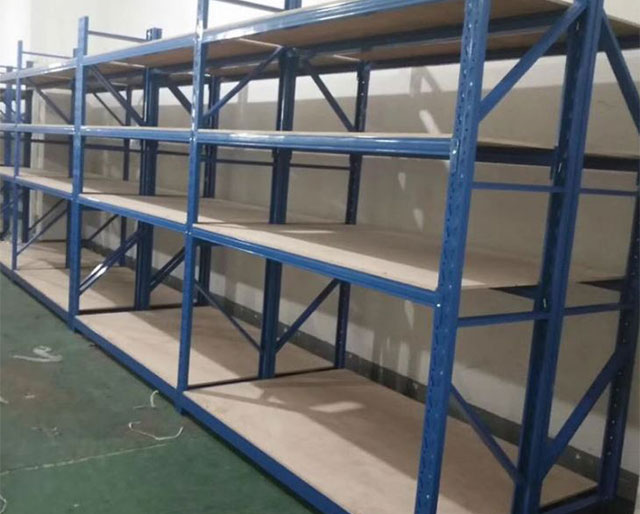
In modern warehousing, light duty storage racks have become one of the most efficient tools for organizing and optimizing space. Their versatility makes them suitable for storing lightweight items such as boxes, tools, and small inventory, while maintaining easy access for workers.
A light duty storage rack is designed for loads that are moderate in weight, generally up to a few hundred kilograms per level depending on the model. To use it correctly, the weight of items must be evenly distributed across the shelf surface. Concentrating heavy loads in one area can stress the beams and compromise the structural integrity.

The performance of a light duty storage rack is also influenced by where and how it is installed. Placement should be on solid, level flooring to provide a stable base. Uneven ground can cause leaning or stress points that weaken the rack over time. Racks should be aligned in straight rows with sufficient spacing between aisles to allow workers and equipment to move safely. Maobang engineers recommend anchoring racks when necessary, particularly in warehouses with high traffic or potential vibrations from machinery. Adequate ventilation and lighting around the racks also enhance safety and accessibility. When placed properly, light duty racks maximize space utilization without creating bottlenecks in workflow.

Even though light duty storage racks are designed for lighter loads, safety must always be prioritized during daily operations. Climbing onto racks is strictly prohibited, as they are not built to support human weight. Overloading is one of the most common causes of rack damage, so warehouse staff should be trained to identify and respect weight limits.
At Maobang's large-scale factory, products undergo strict quality inspection before delivery, but safety also relies on correct operation within the warehouse. It is advisable to avoid sudden impacts, such as hitting racks with forklifts or pallet jacks. Clear labeling of load capacities and usage instructions near the racks can also prevent misuse by new or temporary staff.

Beyond safety, another key consideration when using a light duty storage rack is efficiency. Maobang provides design solutions tailored to each warehouse, ensuring that racks not only meet structural needs but also improve workflow. By adopting a systematic approach to placement and usage, warehouses can reduce operational costs while achieving higher levels of organization. Organizing goods logically—such as grouping items by type or frequency of use—can save significant time in retrieval. Adjustable shelf heights offer flexibility, enabling warehouses to store items of different sizes without wasting vertical space.

Routine inspection and maintenance are essential for keeping a light duty storage rack in optimal condition. Over time, screws may loosen, or beams may shift slightly due to continuous loading and unloading. Regular checks should include tightening bolts, verifying alignment, and inspecting shelves for signs of wear or bending. Scheduled maintenance programs that extend the service life of racks. Dust and moisture should be removed regularly to prevent rust or corrosion. If any damage is detected, immediate repair or replacement of affected parts is necessary to avoid accidents. By combining correct installation, proper use, and ongoing maintenance, warehouses can ensure that their light duty racks remain safe and reliable for long-term operations.