English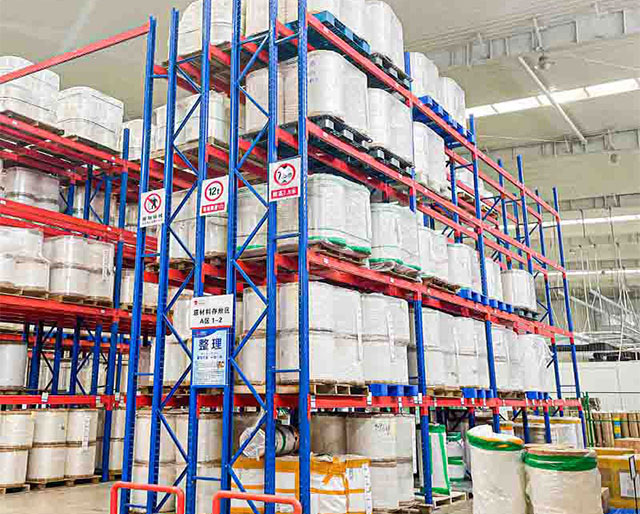
Single Sided vs Double Sided Cantilever Rack: Pros, Cons & When to Use Each
Read More

Search
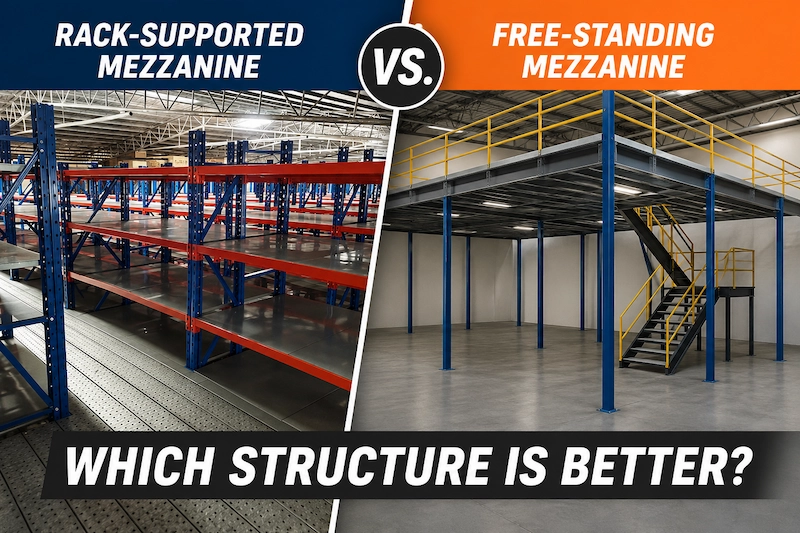
When warehouse space becomes limited, expanding upward is often more cost-effective than relocating or constructing a larger building. Two of the most common solutions are rack-supported mezzanines and free-standing mezzanines. While both create additional floor space, they differ significantly in structure, cost, flexibility, storage density, and long-term scalability.
In general, a rack-supported mezzanine is ideal when maximizing storage density is the primary goal, while a free-standing mezzanine offers greater flexibility for changing operations, equipment layouts, and future warehouse modifications.
A rack-supported mezzanine combines storage racking and mezzanine flooring into a single integrated structure. The rack uprights act as the primary support columns for the upper platform.
Instead of installing independent steel columns, the racking system itself supports the elevated floor.
Common applications include:
E-commerce fulfillment centers
Distribution warehouses
Parts storage facilities
Third-party logistics centers
Manufacturing spare-parts warehouses
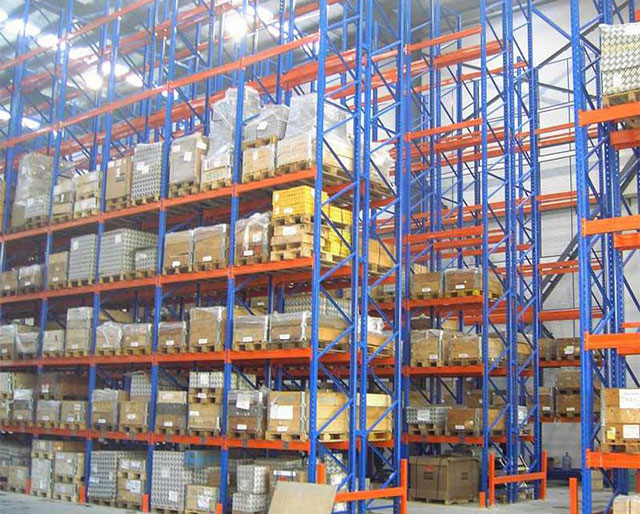
Storage racks serve as structural supports
Higher storage density
Efficient use of vertical space
Integrated storage and working areas
Lower steel consumption compared with some standalone structures
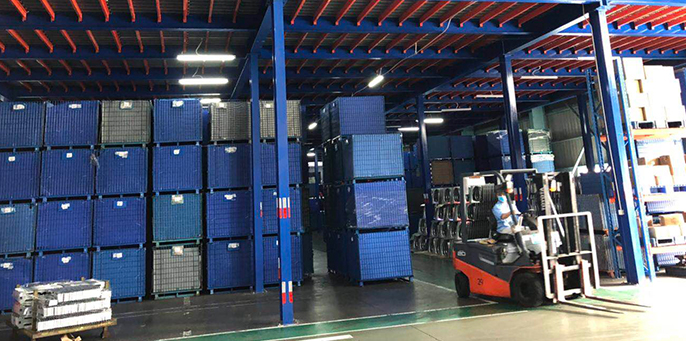
A free-standing mezzanine uses independent steel columns and beams to support the upper platform. Storage racks, shelving, offices, workstations, or equipment can be installed underneath or on top of the mezzanine without being structurally connected.
The platform remains independent from the storage system.
Production facilities
Warehouse offices
Packing stations
Equipment platforms
Multi-purpose industrial spaces
Independent structural framework
Flexible layout design
Easy future modification
Suitable for mixed-use applications
Can accommodate machinery and offices
| Factor | Rack-Supported Mezzanine | Free-Standing Mezzanine |
|---|---|---|
| Structural Support | Storage rack uprights | Independent steel columns |
| Storage Density | Excellent | Moderate |
| Flexibility | Lower | Higher |
| Future Modifications | More complex | Easier |
| Suitable for Offices | Limited | Excellent |
| Installation Speed | Generally faster | Depends on design complexity |
| Cost Efficiency | Often lower cost per storage position | May require higher steel investment |
| Warehouse Expansion | Good for storage growth | Good for operational flexibility |
The biggest advantage is storage density. Since the rack structure performs two functions simultaneously, more inventory can be stored within the same footprint.
Warehouses with high ceilings can significantly increase storage positions without increasing building size.
Because the rack and platform share structural components, material utilization is highly efficient.
Multiple picking levels can improve order fulfillment efficiency for SKU-intensive operations.
Because the mezzanine depends on the rack structure, changing storage configurations later can be more difficult.
While excellent for storage, these systems are not always ideal for office space, production equipment, or machinery installations.
If warehouse operations move to another facility, dismantling and reconfiguring the structure may require additional planning.
The mezzanine platform remains independent from storage equipment, allowing easier changes to warehouse layouts.
Warehouses often use free-standing mezzanines for:
Offices
Meeting rooms
Production areas
Packing stations
Quality inspection zones
Additional shelving, machinery, or workstations can be installed without affecting the structural framework.
Engineers can design the platform specifically for concentrated equipment loads.
Independent columns occupy floor space that could otherwise be used for storage.
Additional steel columns and beams may increase project costs.
Complex designs often require additional engineering and construction work.
The answer depends on warehouse objectives.
Storage capacity is the top priority
You operate a fulfillment warehouse
You need maximum pallet or shelf positions
You want to reduce storage cost per square meter
Your operation focuses primarily on inventory storage
You need office space above the warehouse
You expect layout changes in the future
You operate manufacturing equipment
You require flexible workspace design
You need multiple operational functions in one structure
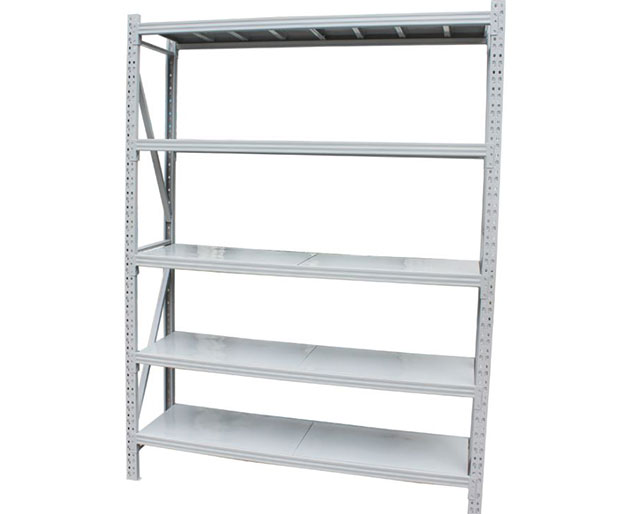
A mezzanine shelf can be incorporated into both designs. However, it is particularly common in rack-supported systems where shelving, storage racks, and elevated floors are integrated into a unified storage solution.
Businesses managing thousands of SKUs often use mezzanine shelf systems to increase picking efficiency while maximizing available warehouse volume.
Higher ceilings create greater opportunities for vertical expansion.
The warehouse slab must support the combined load of the structure and stored goods.
Local regulations may require additional sprinklers, fire exits, and safety measures.
Product size, weight, turnover rate, and handling method influence the ideal structure.
Warehouses expecting rapid expansion should evaluate long-term scalability before selecting a system.
In many storage-focused projects, yes. Shared structural components often reduce material requirements and improve storage efficiency.
Yes. Free-standing mezzanines are commonly used for warehouse offices, meeting rooms, and administrative spaces.
Rack-supported mezzanines generally provide higher storage density because the rack structure serves dual purposes.
Both can be expanded, but free-standing mezzanines often offer greater flexibility for future modifications.
If your primary objective is maximizing storage positions and warehouse efficiency, a rack-supported mezzanine is usually the superior investment. If operational flexibility, office space, production activities, or future layout changes are important, a free-standing mezzanine may deliver better long-term value.
Before making a decision, evaluate your inventory profile, building dimensions, floor loading capacity, operational workflow, and growth strategy. The best mezzanine structure is the one that supports both your current storage requirements and your future business expansion plans.